Anion Gap Calculator and Meaning Guide
What Is the Anion Gap?
The anion gap is a derived value used to evaluate acid-base balance and detect certain forms of electrolyte imbalance. It examines the main measured cations and measured anions in blood chemistry, especially sodium and chloride, along with bicarbonate-related values. Clinicians use it as part of a wider assessment at serum chemistry and overall clinical interpretation.
Although the body contains many ions, routine testing relies on a few key laboratory values. The anion gap helps determine whether unmeasured acids may be present in excess. That makes it a valuable diagnostic tool and screening test in the evaluation of metabolic acidosis and other acid-base disorder patterns.
In practice, the anion gap is not a direct measurement. It is a derived number that aids patient evaluation by giving context to a chemistry panel. When interpreted correctly, it can point toward an underlying cause of illness and direct the next steps in an anion gap assessment.
How an Anion Gap Calculator Operates
An anion gap calculator uses values commonly reported on a basic metabolic panel. It generally takes serum sodium, serum chloride, and serum bicarbonate to generate a calculation result. Some versions also enable entry of potassium, which marginally changes the outcome.
The purpose of the calculator is to streamline the calculation formula and reduce manual error. This is useful when examining rapid test results, tracking trends over time, or performing a fast interpretive guide during clinical decision-making. Because the anion gap is a derived metric, the quality of the input values matters. Inaccurate or outdated laboratory values can result in misleading results.
Most calculators are designed for simple use:
- Input the sodium value from the chemistry panel.
- Input the chloride value.
- Enter the bicarbonate value.
- Optionally enter potassium if the formula includes it.
- Review the resulting anion gap and compare it with the expected reference interval.
Used correctly, this diagnostic tool helps with fast recognition of a metabolic derangement. But the number itself is only one piece of the puzzle. Interpretation should always include the patient’s symptoms, clinical setting, and the possibility of measurement issues or shifts in protein levels.
Anion Gap Formula and Normal Range
The usual anion gap formula is commonly written as:
Anion gap = Sodium − (Chloride + Bicarbonate)
Certain laboratories and calculators use potassium in the equation:
Anion gap = (Sodium + Potassium) − (Chloride + Bicarbonate)
Either version calculates the gap between major measured ions and assists in identifying unmeasured substances in the blood. As different labs use different methods, the normal anion gap can change modestly. This is why the local reference range matters more than a single standard number.
In many settings, the normal anion gap is interpreted in the context of the lab’s specific reference interval. The range may differ depending on whether potassium is included and on the analyzer used for testing. A result that looks abnormal in one setting may be normal in another, so the interpretation should follow the reporting lab’s standards.
The concept of “normal” also varies on physiology. The anion gap reflects the balance between unmeasured acids and unmeasured bases, and it can shift with changes in albumin or other proteins. This is why a seemingly modest change can still matter clinically if the overall picture suggests acid-base balance has been disrupted.
How to Understand a High Anion Gap
A elevated anion gap often suggests the presence of extra unmeasured acids in the bloodstream. The classic concern is acidotic imbalance, especially elevated anion gap metabolic acidosis. In this setting, the body has built up acid faster than it can clear it, or it has lost bicarbonate while retaining acid equivalents.
Common causes include lactate buildup, ketone buildup, kidney failure, poisonous alcohols, and salicylate toxicity. Each of these conditions can increase the number of unmeasured anions or alter how the body handles acid. The lab result is therefore a clue, not a diagnosis by itself.
Lactate-related acidosis occurs when lactate accumulates, often during poor tissue perfusion, severe infection, intense exertion, or other states of reduced oxygen delivery. Ketoacidosis is seen when ketone bodies rise, such as in uncontrolled diabetes, prolonged fasting, or heavy alcohol use. Both conditions can cause a significant rise in the anion gap and require prompt assessment.
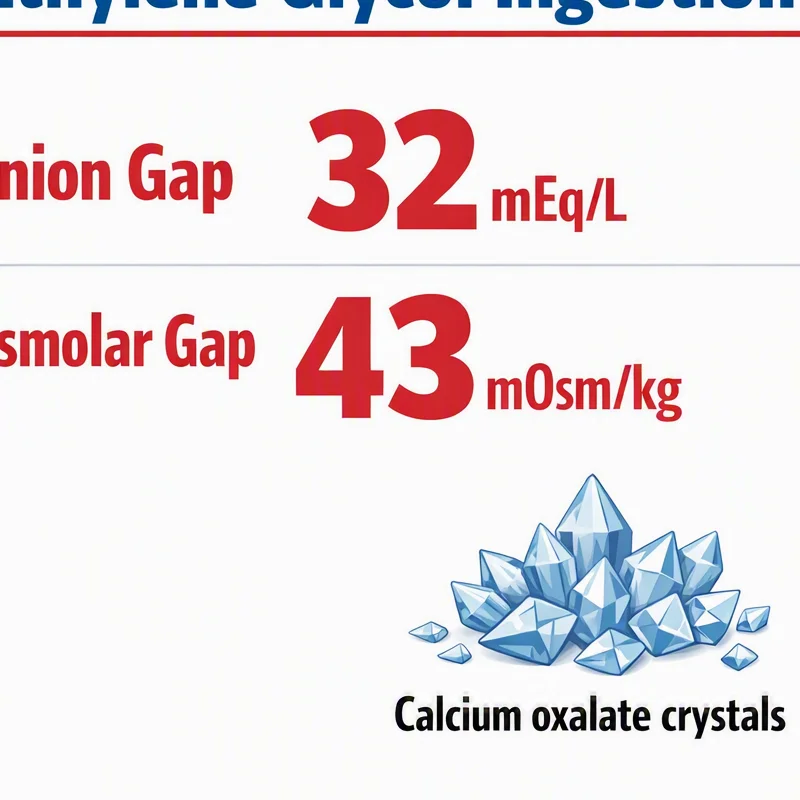
Renal impairment can also cause a high anion gap because the kidneys are less able to remove acids and other metabolic byproducts. Poisonous alcohols, including substances such as methanol and ethylene glycol, generate acidic metabolites that raise the gap. Aspirin poisoning may produce a mixed acid-base pattern, so the anion gap must be interpreted alongside other findings.
When a high result appears, clinicians often ask whether there is an identifiable root cause of acidosis. The answer usually comes from combining the calculator output with the patient’s symptoms, history, and additional testing. That makes the anion gap a valuable diagnostic value marker in a broader workup.
How to Interpret a Low Anion Gap
A low anion gap is less common than a high one, but it should still be taken seriously. It may reflect changes in unmeasured proteins, unusual lab conditions, or sometimes a serious disease process. One of the key explanations is hypoalbuminemia, because albumin is a major negatively charged protein in the blood.
Multiple myeloma can also be associated with a low anion gap, because abnormal proteins may alter the balance of measured and AG in ethylene glycol poisoning unmeasured ions. In this setting, the result may suggest a plasma protein abnormality rather than a classic acid buildup. That is why the anion gap should be evaluated in the context of the entire clinical picture.
Laboratory error is another common explanation and should always be considered first, especially if the value is unexpected or inconsistent with the patient’s condition. Problems with specimen handling, analyzer calibration, or transcription can all create misleading results. Repeating the test can help confirm whether the result is real.
Other causes may include significant shifts in albumin, exposure to certain medications, or changes in the balance of cations and anions that affect the measurement. A low value does not always mean danger, but it does require thoughtful review. The goal is to determine whether the number reflects physiology, a technical issue, or a condition requiring treatment.
Common Causes of an Abnormal Anion Gap
An abnormal anion gap can occur for many reasons, and the result often indicates a broader metabolic problem rather than a single disease. In general, the major categories include increased acid buildup, slower acid removal, protein abnormalities, and measurement issues. Looking at the pattern alongside albumin and other chemistry results enhances accuracy.
For a high value, the most common causes are metabolic acidosis, lactic acidosis, ketoacidosis, renal failure, toxic alcohols, and salicylate poisoning. For a low value, hypoalbuminemia, multiple myeloma, and laboratory error are major causes. Less common causes may involve uncommon toxins, medications, or shifts in electrolytes.
The key point is that the anion gap is a clue to acid-base disorder, not a final diagnosis. A result above or below the expected range should raise questions about symptoms, medication use, kidney function, nutritional status, and possible toxic exposures. This is why the test is most valuable when paired with overall patient evaluation.
In What Way Albumin Affects the Anion Gap
Albumin acts as among the main unmeasured anions in blood. Since it has a negative charge, lower levels of serum albumin can lower the measured anion gap even when acid-base status is shifting. This is why a raw calculator result may downplay the true degree of metabolic disturbance.
Albumin correction adjusts the calculation to account for low protein levels. The goal is to calculate a corrected value that better represents the patient’s actual chemistry. This is especially useful when evaluating a person with illness, malnutrition, liver disease, inflammation, or other conditions that can deplete albumin.
A common interpretation principle is that low albumin can conceal a high anion gap. Without correction, a patient with significant acid accumulation could seem to have a near-normal result. That is why the corrected anion gap can be more revealing than the unadjusted number in selected cases.
Protein levels matter because they influence the overall balance of charged particles in the blood. When albumin drops, unmeasured anions decrease, and the calculated gap may fall even if the underlying acid problem persists. In practice, albumin correction improves the quality of clinical interpretation and reduces the chance of overlooking an important acid-base disturbance.
Sequential Illustrative Worked Example
Here is a simple illustrative example based on typical laboratory values:
- Sodium: 140
- Chloride: 102
- HCO3: 24
With the common formula:
Anion gap = Na − (Chloride + HCO3)
Insert the numbers:
Anion gap = 140 − (102 + 24)
First add the chloride value and the bicarbonate value:
102 + 24 = 126
Next subtract from sodium:
140 − 126 = 14
This result is 14. If that is deemed normal depends on the laboratory’s reference interval. If the lab’s normal anion gap range includes 14, the result may be acceptable. If instead the lab uses a lower upper limit, it may be borderline high. This is why the calculator output must always be matched to the reported range.
In the event that the same patient had low albumin, the corrected value might be higher than 14 after albumin correction. This adjustment could reveal a hidden metabolic acidosis. This example shows how the calculator supports both quick review and deeper anion gap assessment.
When to Seek Medical Evaluation
An abnormal anion gap should be taken seriously when it appears with concerning symptoms or other abnormal labs. Signs such as confusion, rapid breathing, severe weakness, vomiting, dehydration, chest pain, or reduced consciousness may point to a significant acid-base disorder. In these situations, prompt review by a clinician is important.
Emergency evaluation may be needed if the person has possible toxin exposure, severe hyperglycemia, signs of shock, kidney failure symptoms, or rapidly worsening illness. Because the anion gap is only one piece of the puzzle, the broader clinical context determines urgency. A concerning result combined with serious symptoms should not wait.
Even in the absence of emergency signs, ongoing abnormal findings deserve follow-up. A clinician may repeat and review the basic metabolic panel, request extra blood work, measure serum albumin, or look into possible causes such as infection, diabetes, renal dysfunction, or toxic exposure. The goal is to find the underlying cause and correct the metabolic problem before complications develop.
FAQ: Anion Gap Calculator and Interpretation
What is a normal anion gap?
The normal range for the anion gap is based on the laboratory and the formula used. Because some methods include potassium and others do not, the reference interval can vary. The best approach is to compare the calculator result with the value reported by the testing lab for accurate interpretation.
How do you calculate the anion gap?
The most common anion gap formula is sodium − (chloride + bicarbonate). Some tools include potassium as well. An anion gap calculator makes this process faster by using the values from a chemistry panel to give an immediate result and support clinical interpretation.
What does a high anion gap mean?
A high anion gap usually suggests excess unmeasured acids and may indicate metabolic acidosis. Frequent causes include lactic acidosis, ketoacidosis, renal failure, toxic alcohols, and salicylate poisoning. The result should be assessed with symptoms and other laboratory findings to identify the cause.
Is a low anion gap serious?
Yes, a low anion gap can sometimes be important, especially if it is persistent or unexplained. It may be linked to hypoalbuminemia, multiple myeloma, or laboratory error. If the result is unexpected, it should be reviewed carefully and repeated if needed.
Why does albumin change the anion gap?
The albumin protein is a key negatively charged protein in blood, so lower levels reduce the number of unmeasured anions. This can make the anion gap appear lower than it really is. Albumin correction helps estimate a more accurate corrected value and improves the detection of hidden acid-base disorder.